The Role of a Notary in Reverse Mortgage Transactions


Understanding Reverse Mortgages
Reverse mortgages are unique financial products that allow homeowners, typically seniors, to convert part of their home equity into cash. Unlike traditional mortgages, where the homeowner makes payments to the lender, in a reverse mortgage, the lender pays the homeowner. These products are often used to supplement retirement income, but they come with specific requirements and responsibilities.

The Importance of a Notary in Reverse Mortgages
When it comes to reverse mortgage transactions, the role of a notary public is crucial. Notarization is a legal requirement that ensures the authenticity of the documents and the identity of the parties involved. The notary acts as an impartial witness, verifying signatures and preventing potential fraud.
In a reverse mortgage transaction, the notary's presence helps protect all parties by ensuring that the documents are executed correctly. This process provides an added layer of security and trust, which is essential in financial agreements.
Key Responsibilities of a Notary
The primary responsibilities of a notary in reverse mortgage transactions include:
- Verifying the identity of the signers to prevent identity fraud.
- Ensuring that all parties understand the agreement they are entering into.
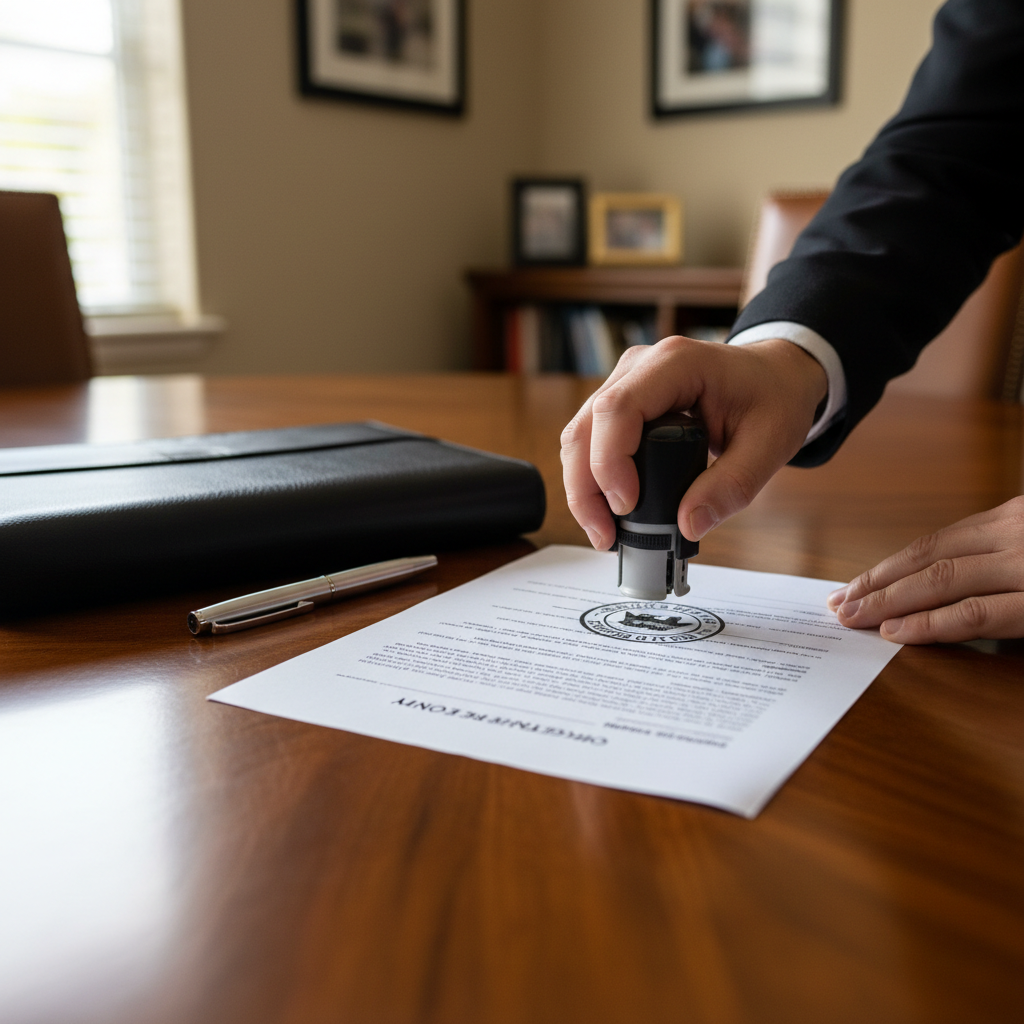
- Witnessing the signing of documents and affixing the notarial seal.
These tasks are vital to maintaining the integrity of the transaction and protecting the interests of both the borrower and the lender.
Challenges Faced by Notaries
Notaries face several challenges in reverse mortgage transactions. One of the primary challenges is ensuring that the elderly homeowners fully understand the terms and implications of the reverse mortgage. This requires patience and effective communication skills.
Additionally, notaries must stay updated with changes in laws and regulations related to reverse mortgages. This ensures that they are providing accurate and legal services during the notarization process.
Benefits of Using a Notary
Having a notary involved in a reverse mortgage transaction offers multiple benefits:
- Legal Compliance: Ensures that all documents are legally binding and properly executed.
- Fraud Prevention: Reduces the risk of forgery and fraud by verifying identities.
- Enhanced Trust: Builds confidence among parties involved by ensuring transparency.
Conclusion
The role of a notary in reverse mortgage transactions cannot be overstated. By ensuring that documents are properly signed and identities are verified, notaries help maintain the legal and ethical standards of these transactions. For those considering a reverse mortgage, understanding the importance of a notary can provide peace of mind and safeguard their financial interests.